Learning Through Inquiry: Farm Visits at Future School
What happens when students are encouraged to ask questions and explore the world around them? Our latest blog explores how Future School's farm visits can foster inquiry based learning through hands on experiences and environmental projects. Because sometimes the most powerful learning starts with a simple question.
At Future School, we believe some of the most valuable learning begins with curiosity. That is why we believe that inquiry based learning plays the most important role in how students experience education. Rather than just being given information to memorise, students are encouraged to ask questions and investigate ideas, exploring the world around them through hands on experiences.
One of the ways we foster this curiosity is through experiences beyond the classroom; This includes the Future School farm visits.
Our farm programme provides students with opportunities to engage directly with the natural environment through hands on experiences that encourage curiosity, responsibility and practical problem solving. Whether they are building forts, preparing food, monitoring wildlife or working on environmental projects, students are actively participating in their learning rather than simply reading about it.
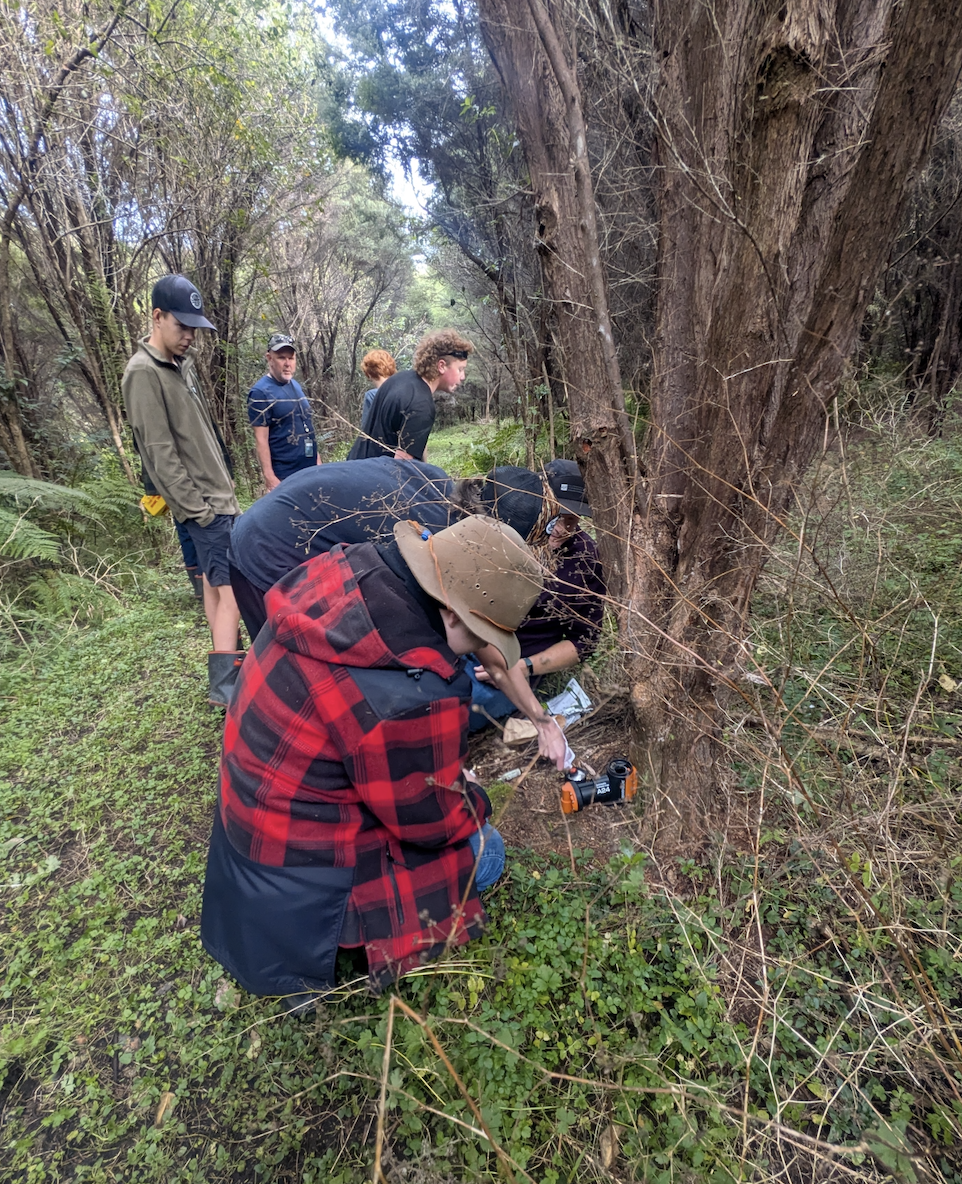
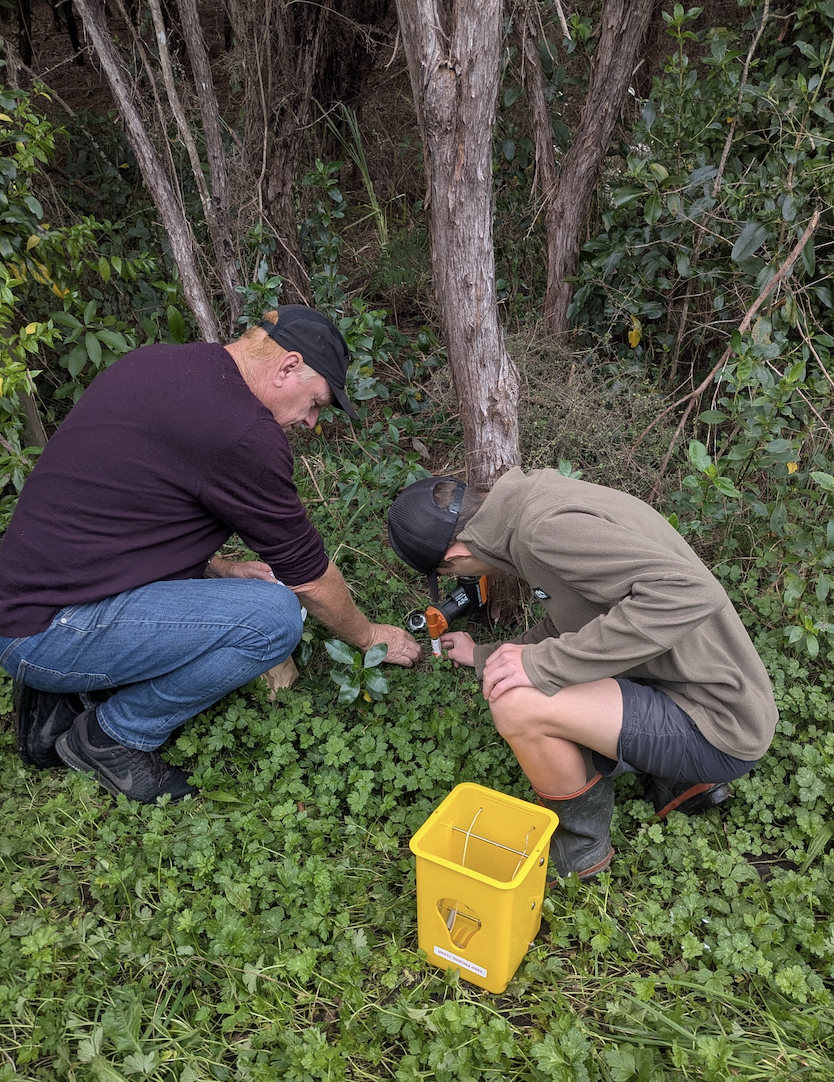
Recently, students have been involved in a pest monitoring project, setting traps and collecting data to better understand the local ecosystem. Their goal is to help create an environment where native bird populations can thrive while reducing the impact of pest animals in the area.
As part of this project, Ross Martin from Sustainable Schools joined students to support the initial setup process, assist with risk assessments and facilitate discussions around the ethics of animal trapping. These conversations encouraged students to think critically about the conservation and environmental responsibilities involved in protecting native wildlife.
Experiences like these are allowing students to connect classroom concepts with real world situations, where data collection becomes more meaningful when students are gathering information themselves. Environmental science becomes more engaging when students can see the direct impact of their actions on the world around them.
Throughout the visit, students naturally began asking questions:
How does a farm operate day to day?
What do animals need to survive and thrive?
Where does food come from?
How do humans interact with the environment responsibly?
These questions can encourage students to think more deeply, communicate their ideas, becoming more active participants in their own learning.
Alongside these projects, students also take part in activities such as cooking, building shelters and forts, exploring local environments, and working collaboratively to solve practical challenges. These experiences really nurture that creativity and teamwork the students show, whilst helping students develop a stronger connection to the natural world.
These farm visits also provide students with experiences that many may not encounter in everyday life. For some students, it may be their first time interacting closely with farm animals or seeing agricultural systems in action. These moments can spark new interests, conversations and connections that continue well after the school day ends.
Importantly, these experiences also support classroom learning where students are able to connect what they see outdoors to subjects such as science, environmental studies, literacy, mathematics and health, helping learning feel more meaningful and connected.
At Future School, inquiry is not viewed as a separate subject, it is part of the learning process itself; because sometimes the most powerful learning starts with a simple question; and the confidence to go and investigate the answer.
.png)
.png)